

How Often Should You Groom Your Dog? A Complete Guide for Olathe Pet Owners
If you’ve ever wondered, “How often should I groom my dog?” — you’re not alone. It’s one of the most common questions we hear from pet parents in Olathe. Grooming isn’t just about keeping your dog looking great; it’s an essential part of their overall health, comfort, and happiness.
Whether you have a fluffy doodle, a short-haired Lab, or a double-coated Husky, understanding your dog’s grooming needs can prevent skin issues, painful matting, excessive shedding, and even long-term health problems.
If you’re looking for professional dog care locally, visit
https://olathe.collarsdogresort.com/
Establishing a consistent schedule is one of the best things you can do for your dog.

Why Regular Grooming Is More Than Just Cosmetic
Many people think grooming is simply about appearance. In reality, routine grooming plays a vital role in your dog’s health.
Regular grooming helps:
-
Prevent painful mats and tangles
-
Reduce shedding and allergens in your home
-
Maintain healthy skin and coat
-
Catch issues like lumps, hot spots, or infections early
-
Keep nails at a healthy length to avoid joint strain
-
Clean ears to help prevent infections
-
Improve comfort during Kansas weather extremes
The American Kennel Club explains the importance of routine grooming here:
https://www.akc.org/expert-advice/health/dog-grooming-tips/
In Olathe’s hot summers and cold winters, dogs experience seasonal coat changes that make consistent grooming even more important.
How Often Should You Groom Your Dog? It Depends on Coat Type
There isn’t a one-size-fits-all schedule. Your dog’s coat type is the biggest factor in determining grooming frequency.
Short-Coated Dogs (Every 4–8 Weeks)
Examples: Labrador Retrievers, Beagles, Boxers, Pit Bulls, Dobermans
Short-haired dogs may seem low maintenance, but they still shed and benefit from routine care.
Recommended Schedule:
-
Bath & brush: Every 4–8 weeks
-
Nail trim: Every 3–4 weeks
-
Ear cleaning: Monthly
-
At-home brushing: Weekly
If your dog is active in group play, learn more about local daycare options:
https://olathe.collarsdogresort.com/dog-daycare-olathe/
Regular grooming helps keep their coat clean and comfortable during play.
Double-Coated Dogs (Every 4–6 Weeks)
Examples: Golden Retrievers, Huskies, German Shepherds, Australian Shepherds
Double-coated breeds have a dense undercoat that sheds seasonally — often referred to as “blowing coat.”
Recommended Schedule:
-
Professional grooming: Every 4–6 weeks
-
De-shedding treatment: Especially during spring and fall
-
Brushing at home: 2–3 times per week
The ASPCA offers additional guidance on coat maintenance here:
https://www.aspca.org/pet-care/dog-care/dog-grooming-tips
Important: Double-coated dogs should not be shaved, as this can permanently damage their coat and ability to regulate temperature.
Curly or Wavy Coats (Every 4–6 Weeks — No Exceptions)
Examples: Goldendoodles, Labradoodles, Poodles
These coats don’t shed — but that doesn’t mean they’re easier. In fact, they require the most maintenance.
Without regular grooming, curly coats mat quickly, sometimes within days.
Recommended Schedule:
-
Full grooming: Every 4–6 weeks
-
At-home brushing: Daily
-
Professional maintenance: Essential to prevent matting
If your dog is staying overnight, proper grooming beforehand helps prevent tangles. Learn more about boarding services here:
https://olathe.collarsdogresort.com/dog-boarding-olathe/
Long, Silky Coats (Every 4–6 Weeks)
Examples: Shih Tzus, Yorkies, Maltese, Cocker Spaniels
These coats tangle easily and require consistent trimming to stay manageable.
Recommended Schedule:
-
Grooming: Every 4–6 weeks
-
Brushing at home: 3–4 times weekly
-
Sanitary trims between visits
Routine grooming prevents painful knots forming close to the skin.
Seasonal Grooming Needs in Olathe, Kansas
Living in Johnson County means your dog experiences true seasonal changes, which directly impact grooming needs.
Spring & Fall (Heavy Shedding Seasons)
-
Increased brushing and de-shedding treatments
-
Removal of seasonal undercoat
-
Helps prevent massive shedding inside your home
Summer
-
Coat maintenance improves airflow and comfort
-
Paw care protects from hot pavement
-
Clean coats reduce risk of hot spots
Winter
-
Trimmed coats stay cleaner and mat less in snow
-
Nail care is critical when dogs are less active
-
Skin hydration becomes important due to dry air
Signs Your Dog Needs Grooming Sooner
Watch for these signs:
-
You can’t run a brush through the coat easily
-
Tangles or clumping fur
-
Excess shedding around your home
-
“Doggy odor” returning quickly after baths
-
Nails clicking loudly on the floor
-
Redness, itching, or licking at skin
-
Hair covering eyes or paw pads
How Professional Grooming Is Different From At-Home Care
While brushing at home is important, professional grooming provides care most pet owners simply can’t replicate.
Professional grooming includes:
-
Coat-specific shampoos and conditioners
-
High-velocity drying to safely remove undercoat
-
Proper nail trimming and grinding
-
Ear cleaning and hygiene care
-
Precision trimming for comfort and cleanliness
-
Early detection of skin or health concerns
Learn more about our grooming services here:
https://olathe.collarsdogresort.com/dog-grooming-olathe/
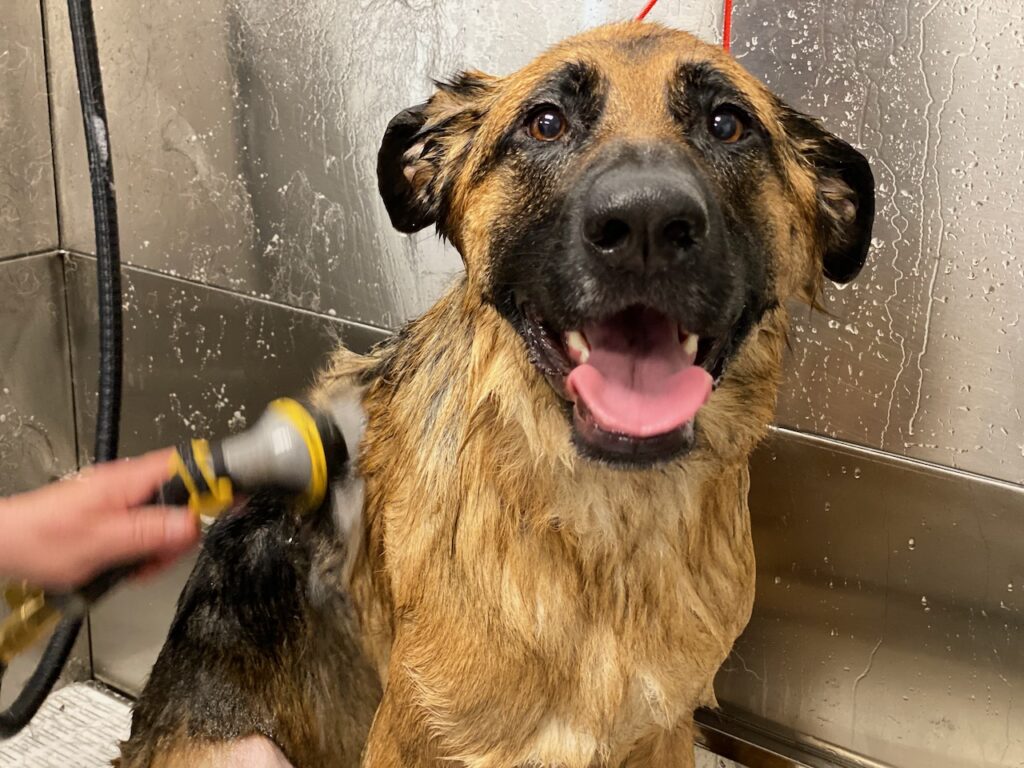
The Ideal Grooming Schedule for Most Dogs
| Service | Frequency |
|---|---|
| Bath & Brush | Every 4–6 weeks |
| Haircut (if needed) | Every 4–6 weeks |
| Nail Trim | Every 3–4 weeks |
| Ear Cleaning | Monthly |
| At-Home Brushing | Weekly or more |
Consistency is the key to a healthy coat.
Final Thoughts
So, how often should you groom your dog?
For most dogs, the answer is simple: every 4–6 weeks for professional care, supported by brushing at home.
A well-groomed dog isn’t just a clean dog.
It’s a healthier, more comfortable companion.
To get started, visit:
https://olathe.collarsdogresort.com/